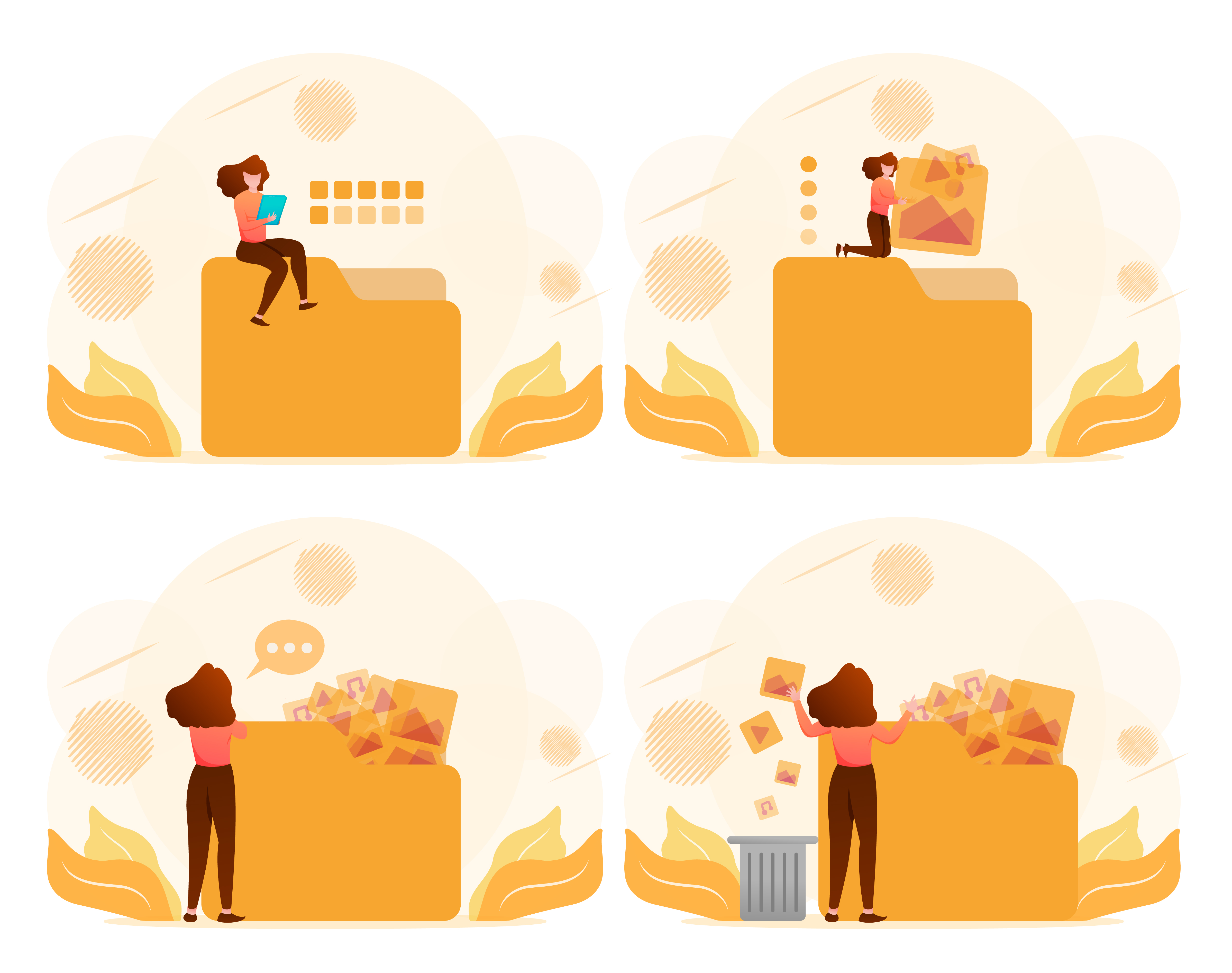
Course creators often treat content as permanent fixtures: once created, it exists indefinitely in courses without strategic evaluation. This static mindset ignores a fundamental reality: content has natural lifecycles moving through stages of creation, peak relevance, declining utility, and eventual obsolescence. Just as products move through introduction, growth, maturity, and decline phases, course content requires lifecycle management determining when to create new material, when to update existing content, when to archive outdated elements, and when to delete content entirely. Without systematic lifecycle management, courses accumulate bloated, outdated, or redundant content that confuses users and damages credibility. The most successful course creators in 2026 treat content lifecycle management as essential business practice, making strategic decisions ensuring their courses remain lean, current, and valuable.
Understanding Content Lifecycle Stages
Content moves through predictable lifecycle stages requiring different management approaches. The creation stage involves developing new content addressing identified needs or gaps. The active stage represents content at peak relevance serving users effectively. The maintenance stage occurs when content remains valuable but requires updates keeping it current. The decline stage happens when content becomes less relevant due to changing user needs or market evolution. The obsolete stage marks content that no longer serves purpose and requires archiving or deletion. Understanding which stage each content piece occupies guides appropriate action. Content in active stages requires quality monitoring and minor refinement. Content in decline stages needs strategic decisions about investment in updates versus replacement or retirement.
Strategic Decision Frameworks
Effective content lifecycle management requires clear decision criteria preventing arbitrary or emotional choices. Develop frameworks evaluating content based on current relevance to user goals and market needs, accuracy reflecting current best practices and information, engagement metrics showing whether users value the content, maintenance cost required to keep content current, and strategic alignment with your evolving course positioning. Content scoring high across these dimensions deserves continued investment. Content scoring low requires serious evaluation about retirement. Content with mixed scores needs strategic judgment about whether updating improves enough dimensions to justify investment. Document your decision criteria so lifecycle choices remain consistent over time.
When to Create New Content
Content creation decisions should be strategic rather than impulsive. Create new content when you identify clear gaps in existing coverage that prevent users from achieving goals, when user feedback consistently requests specific topics or skills, when market evolution creates demand for emerging concepts or tools, when new research or developments make fresh content valuable, or when strategic business goals require expanding into new topic areas. Avoid creating content because you find topics personally interesting if they don't serve user needs, because competitors cover certain topics without evaluating fit for your users, or because you feel pressure to constantly produce new material regardless of actual need. Every new content piece creates ongoing maintenance obligations. Create strategically based on demonstrated need rather than arbitrary production quotas.
Recognizing When Content Needs Updating
Content rarely announces its own obsolescence. Systematic monitoring identifies update needs before they become crises. Update content when tool versions or interfaces change making screenshots or instructions inaccurate, when statistical data or research findings become outdated, when best practices evolve making your approaches less optimal, when user questions consistently reveal confusion about specific content, when competitive courses cover topics more comprehensively or clearly, or when production quality falls noticeably below your current standards. Track content age and create review schedules ensuring regular evaluation rather than discovering problems when users complain. Content in rapidly evolving fields needs more frequent review than evergreen topics. Balance update perfectionism with pragmatic prioritization focusing on high-impact improvements.
Executing Effective Content Updates
Not all updates require complete content recreation. Implement efficient update strategies including minor updates fixing specific errors or outdated references without full recreation, moderate updates revising sections while preserving overall structure and most existing material, major updates substantially revising content while maintaining some elements, and complete recreation rebuilding content entirely for fundamental improvements. Choose update levels based on how much existing content remains valuable versus how much requires change. Sometimes wholesale recreation proves more efficient than extensive revision of fundamentally flawed content. Other times, minor targeted updates perfectly address identified issues. Match update intensity to actual need rather than defaulting to either minimal patches or complete overhauls.
The Case for Archiving Rather Than Deleting
Archiving preserves content while removing it from active courses. This middle path between keeping outdated material visible and permanently deleting potentially valuable work serves several purposes. Archive content when it's outdated but contains historical value or context, when you might reference or repurpose elements for future content, when deleting would break links or references from other materials, when user cohorts who purchased courses with this content deserve continued access, or when you're uncertain whether deletion is premature. Implement clear archiving systems separating archived content from active materials while keeping it accessible for reference. Some platforms enable hiding content from new users while maintaining access for existing users who purchased when content was active.
When Deletion Is the Right Choice
Some content deserves permanent removal rather than archiving. Delete content when it's fundamentally incorrect with no salvageable elements, when it violates current policies, regulations, or ethical standards, when keeping it creates legal or reputational risk, when it's completely redundant with other superior content, or when storage or platform limitations require reducing total content volume. Before deleting content permanently, verify no external links or references will break, confirm no user cohorts have legitimate expectations of access, extract any useful elements for potential future reuse, and document what was deleted and why for institutional memory. Deletion should be deliberate rather than impulsive, but don't let fear of deletion cause you to preserve genuinely useless content indefinitely.
Managing Legacy Content and Version Control
As courses evolve, managing multiple content versions becomes complex. Some users purchased courses containing content you've since updated or removed, creating expectations you should honor. Implement version control strategies including maintaining archives of previous course versions for reference, clearly communicating to new users which content version they're purchasing, honoring access commitments to users who purchased older versions, and providing upgrade paths where appropriate for users wanting access to updated content. Document content version history showing what changed, when, and why. This documentation proves invaluable when users report issues or when you evaluate whether updates improved outcomes. Version control prevents confusion while honoring commitments to users across different cohorts.
Communication Strategies for Content Changes
How you communicate content lifecycle decisions affects user perception and satisfaction. Develop transparent communication approaches including announcing significant updates in course changelogs or release notes, explaining why content was retired when users might notice its absence, celebrating improvements when major updates enhance value, and soliciting feedback about proposed changes before implementing them. Frame changes positively as continuous improvement serving user success rather than corrections of past inadequacy. Users appreciate knowing courses receive ongoing attention even if specific changes don't affect them personally. Transparent lifecycle communication builds trust and demonstrates commitment to quality.
Building Lifecycle Management Into Workflows
Sustainable lifecycle management requires systematic processes preventing reactive scrambling. Implement regular review schedules evaluating content based on predetermined criteria, automated monitoring alerting you to broken links or outdated tools, user feedback mechanisms capturing content issues as they're discovered, and documentation systems tracking when content was created, last reviewed, and last updated. Create standardized decision templates guiding lifecycle choices consistently. Build lifecycle decisions into regular business rhythms rather than treating them as occasional emergency responses. Teams should include designated roles responsible for lifecycle monitoring and execution.
Economic Considerations in Lifecycle Decisions
Content lifecycle management involves economic trade-offs. Creating new content requires significant investment of time or money but potentially reaches new markets or better serves existing users. Updating content requires moderate investment while preserving established material. Archiving content involves minimal immediate cost but might create future retrieval inefficiency. Deletion saves storage and maintenance costs but permanently loses work representing past investment. Make lifecycle decisions considering not just immediate costs but long-term value. Sometimes seemingly expensive recreation actually costs less long-term than repeatedly patching fundamentally flawed content. Other times, modest updates extend content viability years at fraction of recreation cost.
Measuring Lifecycle Management Success
Track metrics indicating whether your lifecycle management serves business goals. Monitor course completion rates improving when bloated or confusing content is removed, user satisfaction increasing when outdated content is updated or retired, support question volume decreasing when content clarity improves, competitive positioning strengthening as your content stays current while competitors' stagnates, and efficient resource allocation focusing effort on high-impact improvements. Lifecycle management should improve business outcomes, not just create busy work. If your lifecycle processes consume excessive time without measurable benefit, simplify or refocus them on actions truly improving user experience and business performance.
Content lifecycle management represents essential strategic work separating thriving courses from gradually deteriorating ones. By understanding lifecycle stages, implementing clear decision frameworks, creating content strategically, updating purposefully, archiving thoughtfully, deleting deliberately, managing versions carefully, communicating transparently, building systematic processes, considering economic trade-offs, and measuring management effectiveness, course creators ensure their content remains lean, current, and valuable. The most successful course creators recognize that ongoing lifecycle management isn't optional overhead but fundamental business practice determining long-term sustainability and competitive position. Your content doesn't manage its own lifecycle. Without your strategic intervention, it inevitably accumulates obsolete material, misses opportunities for valuable additions, and gradually loses the quality that once distinguished your courses. Embrace lifecycle management as ongoing commitment to user success and business health, and your courses remain assets generating value indefinitely rather than liabilities requiring eventual costly overhauls.